






Premarital health testing is the practice of getting a comprehensive health screening done before marriage. It gives couples clear, accurate information about their individual and combined health status before they begin their married life together. Why Premarital Testing Matters Marriage is one of the most significant commitments two people make. Shared health decisions, family planning, and long term wellbeing are all deeply intertwined with that commitment. Premarital health testing is the responsible, caring extension of that commitment into the health domain. What Does a Comprehensive Premarital Screen Include? Genetic Disorder Screening: Thalassemia and Sickle Cell trait testing identifies whether either or both partners carry genetic variants that could affect future children. Infection Safety Screening: HIV, Hepatitis B, Hepatitis C, and VDRL are tested. All are transmissible between partners and from mother to child, and all are detectable before symptoms appear. Blood Group Compatibility: Identifying blood groups and Rh factor helps anticipate and prevent Rh incompatibility complications in pregnancy. Hormonal and Fertility Baseline: Thyroid function, basic fertility hormones, and blood sugar provide a baseline picture of hormonal and metabolic health. General Blood Health (CBC): Identifies anaemia, immune health, and other indicators relevant to overall health. Who Should Do Premarital Testing? Every couple, regardless of age, community, or apparent health status, benefits from premarital testing. Genetic carriers are often completely asymptomatic. Infections show no early signs. The only way to know is to test. How to Get Tested Without the Inconvenience At home premarital testing removes every logistical barrier. A certified professional visits your home. Results are delivered on WhatsApp within 48 to 72 hours.
What Is Thalassemia and Why Every Indian Couple Must Get Tested
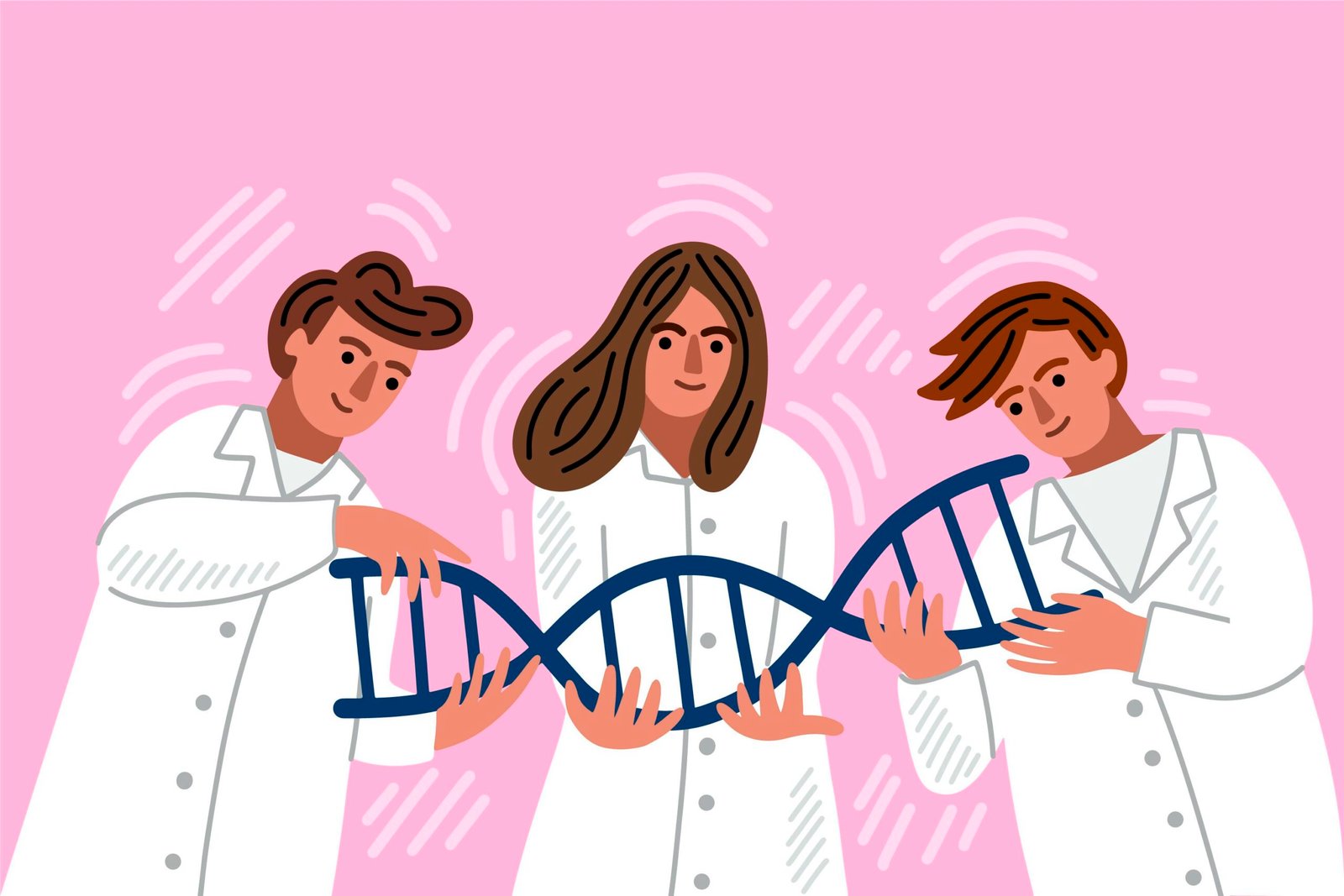
Thalassemia is common, serious, and entirely preventable as long as couples know their carrier status before deciding to have children. What Is Thalassemia? Thalassemia is an inherited blood disorder in which the body does not produce enough haemoglobin. When haemoglobin production is insufficient, red blood cells are destroyed faster than they can be made, causing anaemia. Thalassemia Minor: The person carries one defective gene and one normal gene. They are a carrier. They are usually healthy and may have mild anaemia. Most carriers do not know they have the trait. Thalassemia Major: The most severe form. The child inherits two defective genes, one from each parent. Thalassemia Major requires lifelong monthly blood transfusions. How Is Thalassemia Inherited? If both parents are carriers, there is a 25 percent chance with each pregnancy that the child will have Thalassemia Major, a 50 percent chance the child will be a carrier, and a 25 percent chance the child will be completely unaffected. How Common Is It in India? India has one of the largest Thalassemia carrier populations in the world. Approximately 40 to 50 million Indians are estimated to carry the Thalassemia trait. What Does Testing Involve? Thalassemia screening is a straightforward blood test. The result clearly indicates whether you carry the trait. What If Both Partners Are Carriers? Knowing you are both carriers does not mean you cannot have children. It means you have information. With that information, you can work with a genetic counsellor to understand your options.

Understanding Fertility Health for Couples Before Trying to Conceive
Fertility is a topic couples rarely discuss openly until they are actively trying to conceive. Testing fertility health before you reach that stage changes the experience entirely. What Does Fertility Health Mean for a Couple? Fertility health refers to the physiological ability of both partners to contribute to conception and carry a healthy pregnancy. It involves hormonal balance, reproductive organ function, genetic health, and overall physical wellbeing. Importantly, fertility is not just a women’s health issue. Male factor infertility contributes to approximately 40 to 50 percent of all infertility cases. Addressing fertility health as a couple leads to faster answers and better outcomes. Key Fertility Markers for Women Follicle Stimulating Hormone (FSH) stimulates the ovaries to produce eggs. Elevated FSH can indicate diminished ovarian reserve. Luteinising Hormone (LH) triggers ovulation. An imbalance in LH is often associated with PCOD. Prolactin, when elevated outside of pregnancy or breastfeeding, can suppress ovulation and affect fertility. Thyroid function also plays a significant role. Both hypothyroidism and hyperthyroidism are known to disrupt the menstrual cycle and affect fertility. Key Fertility Markers for Men Testosterone is the primary male reproductive hormone. Low testosterone is associated with reduced sperm production and reduced fertility. Why Test Now Rather Than Later? Testing fertility health before you are actively trying to conceive gives you time. Time to address any issues. Time to make informed decisions. Time to remove uncertainty and replace it with clarity.

Why Most Indian Couples Never Get a Health Check Before Marriage
Every year, millions of Indian couples get engaged, plan their weddings, book the venue, finalise the guest list, and step into married life together. They plan for everything except one thing. Their health. Premarital health screening remains one of the most overlooked steps in the entire wedding planning process. Not because couples do not care. But because nobody ever told them it was important. Nobody made it easy. And in a country where discussing health openly is still considered uncomfortable, most couples simply skip it and hope for the best. The consequences of that decision can be significant. The Problem Nobody Talks About India has one of the highest rates of genetic blood disorders in the world. Thalassemia, Sickle Cell Disease, and various hereditary conditions affect millions of families. Many of these conditions are entirely preventable when detected before a couple starts a family. A simple blood test can identify whether one or both partners are carriers of these conditions. Beyond genetics, infections like HIV, Hepatitis B, Hepatitis C, and VDRL often show no visible symptoms for years. A person can carry these infections without knowing and unknowingly pass them to their partner or child. Fertility health is another area where early awareness makes a massive difference. Low testosterone in men, irregular FSH or LH levels in women, PCOD, and thyroid disorders can silently affect a couple’s ability to conceive. Why Couples Avoid It The reasons are simple. Visiting a diagnostic lab feels clinical and uncomfortable. The process is inconvenient. Results feel scary. And there is always the sense that nothing will be wrong anyway, so why bother. These are understandable feelings. But they are also the exact feelings that lead to preventable suffering later. At Home Testing Changes Everything At home health testing removes every single barrier. No lab visits. No uncomfortable waiting rooms. A certified professional comes to your home. Samples are collected privately. Results are delivered securely on WhatsApp within 48 to 72 hours. Starting your life together with complete health clarity is not overcautious. It is one of the most loving and responsible decisions a couple can make.
